

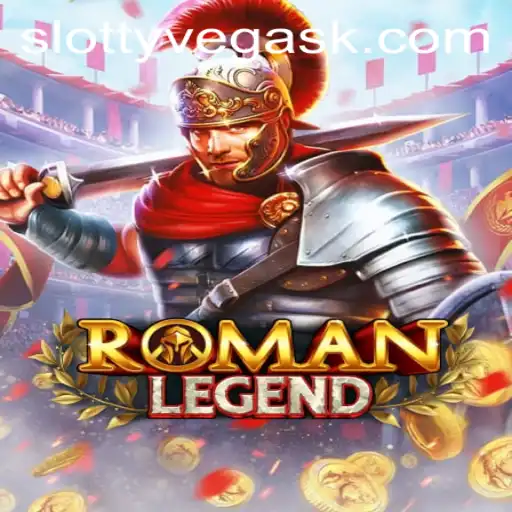
Welcome to RomanLegend: A Journey Through Time
In a digital era filled with countless gaming options, RomanLegend stands out as an enthralling adventure that transports players to the ancient world of Rome. With a rich narrative and immersive gameplay, this game has captured the attention of both casual gamers and hardcore enthusiasts, drawing them in with its lore and complexity.
Introduction to RomanLegend
Released at a time when historical games are enjoying a resurgence, RomanLegend offers a unique twist on the classic strategy genre. The game has been meticulously designed to offer players a rich and engaging experience that echoes the grandeur of the Roman Empire. Its recent achievement of reaching 988k downloads within a few months of its launch is a testament to its popularity and the high expectations it sets for newcomers.
The game tasks players with building their own Roman city, complete with majestic arches, bustling forums, and intricate aqueducts. As the ruler of this growing empire, players must make strategic decisions that will determine the prosperity and expansion of their realm. From managing resources to leading armies, the challenges are as varied as they are compelling.
How RomanLegend Captures the Imagination
At the heart of RomanLegend is its narrative-driven gameplay, which is deeply rooted in historical accuracy. The designers have painstakingly recreated the architectural marvels and cultural nuances of ancient Rome, offering players a glimpse into the past. This attention to detail is further enriched by the inclusion of historical events that serve as key plot points, marrying education with entertainment.
Beyond the visuals, RomanLegend incorporates an intricate system of alliances and conflicts, allowing players to navigate the complex political landscape of ancient Rome. This depth of gameplay challenges players to think strategically, fostering a sense of immersion and excitement as they forge alliances or wage wars to expand their territories.
The Rules of Engagement in RomanLegend
Understanding the rules of RomanLegend is crucial for any aspiring emperor. The game begins with players taking control of a small plot of land, which they must develop into a flourishing city. This involves managing resources such as food, stone, and gold, all of which are essential for building structures and training armies.
As players progress, they must contend with various challenges, including natural disasters and invasions. They are required to deploy tactical thinking to defend their city and ensure the loyalty of their citizens. The game introduces new mechanics as players advance, such as the ability to hold gladiator games to improve public morale or to construct wonders of the world that grant unique bonuses.
Furthermore, RomanLegend boasts a dynamic combat system that allows players to command legions in real-time battles. Each unit has its strengths and weaknesses, and players must master the art of war to outmaneuver opponents, whether controlled by AI or other players in the expansive multiplayer mode.
Connecting RomanLegend to Current Trends
In today's gaming landscape, players are increasingly drawn to experiences that offer more than just a typical escapist narrative. RomanLegend's successful integration of historical elements with captivating gameplay speaks to this trend, offering a rich tapestry of history and narrative that reflects the current appetite for deep, meaningful gaming experiences.
Moreover, the game's achievement of the 988k milestone reflects the growing market for strategy games that challenge the mind and engage the player on multiple levels. As digital technologies continue to evolve, RomanLegend represents a convergence of historical appreciation and modern gaming mechanics, appealing to a diverse audience seeking to explore the complexities of the past while enjoying the comforts of digital innovation.
The Cultural Impact of RomanLegend
As players delve into RomanLegend, they are not merely playing a game; they are partaking in a cultural exchange that bridges time. The game's capacity to educate while entertaining has not gone unnoticed, with educators and historians lauding its contribution to making history accessible and engaging.
This cultural impact is further amplified by the community that has grown around the game. Social media platforms and forums dedicated to discussing strategies, sharing insights, and discovering in-game Easter eggs have become vibrant hubs for fans. This fan-driven ecosystem contributes to the game's longevity and popularity, showcasing how modern games can create collaborative environments that extend beyond the digital realm.